You Won’t Believe What I Ate in Recife – A Food Lover’s Secret Journey
Recife, Brazil doesn’t just feed you—it tells a story with every bite. From the salty kiss of freshly caught seafood to the slow simmer of coconut-laced stews, this coastal city pulses with flavors shaped by Indigenous, African, and Portuguese roots. I went searching for authenticity and found something deeper: a culture where food is memory, rhythm, and soul. This isn’t just a food trip—it’s a private conversation with Brazil’s most underrated culinary heart. Every meal unfolds like a chapter in a living history book, where recipes are passed down through generations and the kitchen is a sanctuary of tradition. To taste in Recife is to understand resilience, celebration, and the deep connection between land, sea, and people.
Arrival in Recife: First Impressions of a Coastal Food Hub
The moment you step off the plane in Recife, the city greets you with a symphony of scents—grilled meat, fried dough, tropical fruit, and the briny tang of the Atlantic. The air is warm and thick, carrying the faint rhythm of forró music from a distant street vendor’s radio. Taxis idle under palm trees, and the city hums with a relaxed but persistent energy. It doesn’t take long to realize that food is not just sustenance here; it’s the city’s heartbeat. From roadside carts selling sugarcane juice to open-air markets piled high with exotic fruits, Recife announces itself as a place where eating is woven into the daily rhythm of life.
What makes Recife unique is its layered cultural identity. As a historic port city on Brazil’s northeastern coast, it became a meeting point for Indigenous peoples, African slaves, and Portuguese colonizers. This convergence wasn’t just political or economic—it was deeply culinary. Each group brought ingredients, techniques, and traditions that merged over centuries into something entirely new. Today, this fusion is visible in the city’s architecture, music, and especially its food. The result is a cuisine that feels both ancient and alive, rooted in tradition but constantly evolving.
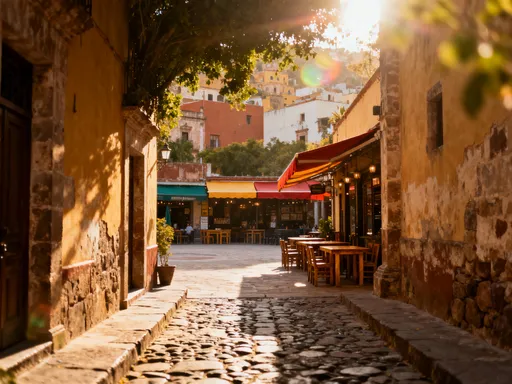
The city’s layout reflects this food-centric culture. Neighborhoods like Boa Vista serve as modern culinary hubs, with cafes, bakeries, and upscale restaurants offering contemporary twists on classic dishes. Meanwhile, Recife Antigo—the historic old town—preserves the soul of the city’s past. Cobblestone streets lead to centuries-old churches and colonial buildings, now housing artisanal eateries and family-run taverns. Here, food isn’t served on white tablecloths with pretense; it’s handed over with a smile, often wrapped in paper or served on disposable plates, meant to be eaten with your hands and enjoyed in the moment.
Walking through these neighborhoods, you’ll notice how food spaces double as social spaces. A simple snack stand becomes a gathering point for neighbors. A market stall turns into a storytelling corner where vendors share family recipes with curious visitors. This seamless blend of nourishment and community is what sets Recife apart from more tourist-driven destinations. There’s no performance here—just real life, unfolding one meal at a time.
The Soul of Recife’s Cuisine: African, Indigenous, and Portuguese Fusion
To understand Recife’s food is to understand its history. The city’s culinary identity is built on three foundational pillars: Indigenous knowledge of the land, African techniques and flavors brought by enslaved peoples, and Portuguese ingredients and cooking methods. Each culture contributed something essential, and their combined legacy lives on in nearly every dish served today. This is not fusion in the modern, trendy sense—it’s a deep, centuries-old integration that reflects survival, adaptation, and creativity.
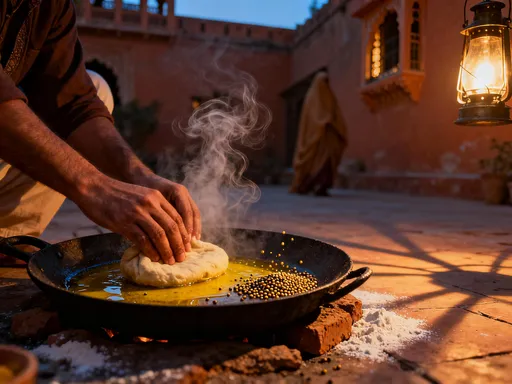
The Indigenous peoples of the region, such as the Tupi-Guarani, introduced cassava as a staple crop. They developed techniques for extracting its toxic juice and turning it into flour, farofa, and beiju—a soft, flatbread still widely eaten today. Cassava remains central to Recife’s cuisine, appearing in both savory and sweet preparations. It’s not uncommon to see vendors grilling beiju over open flames, the edges crisping slightly while the center stays tender. This simple food carries generations of knowledge and continues to be a symbol of resilience.
African influence is perhaps the most vibrant thread in Recife’s culinary fabric. Enslaved Africans brought with them a deep understanding of slow cooking, the use of palm oil (dendê), and the art of transforming humble ingredients into rich, flavorful meals. Dishes like acarajé, though more commonly associated with Bahia, have their own variations in Recife, where black-eyed peas are fried in dendê and split open to reveal a warm, spiced heart. Another legacy is the use of okra, which thickens stews and adds a unique texture to many traditional recipes.
Portuguese contributions include ingredients like garlic, onions, olives, and salted cod, as well as techniques such as stewing and baking. One of the most beloved dishes in Recife, caldeirada de peixe, is a direct descendant of Portuguese fish stews. This hearty seafood medley combines local fish with tomatoes, onions, peppers, and cilantro, all simmered in a fragrant broth. It’s typically served with rice and farofa, creating a balanced meal that honors both the sea and the land.
Perhaps the most iconic dish that embodies this fusion is carne de sol, or “sun meat.” This is not dried beef in the jerky sense, but rather thin cuts of beef cured in salt and left to rest in the sun for a few hours—a method that tenderizes the meat and enhances its flavor. It’s then grilled or pan-fried and served with cassava, beans, and vegetables. The technique has Indigenous roots in food preservation, African seasoning traditions, and Portuguese curing practices, making it a true representation of Recife’s culinary soul.
Must-Try Street Foods: Where Locals Eat Every Day
No visit to Recife is complete without diving into its vibrant street food culture. For locals, street food isn’t a novelty—it’s a daily ritual. From breakfast to late-night snacks, the city’s vendors offer affordable, flavorful options that reflect the diversity of its people. The best way to experience this is to follow the crowds, especially during lunchtime, when office workers flood the sidewalks in search of a quick, satisfying meal.
One of the most popular snacks is the pastel de feira, a crispy, deep-fried pastry filled with cheese, meat, or even banana and chocolate. Found at nearly every open-air market, or feira livre, these golden pockets are served piping hot, often with a squeeze of lime. The crunch gives way to a soft, savory interior, making it the perfect handheld meal. While simple, the pastel carries a sense of comfort and familiarity, much like a grilled cheese sandwich in other cultures.
Another surprising favorite is the cachorro-quente capixaba, a hot dog that defies expectations. Unlike the basic American version, this one is loaded with mashed potatoes, tomato sauce, sautéed onions, and sometimes even peas and corn. It’s rich, messy, and utterly delicious. Though it originated in Espírito Santo, it has gained a loyal following in Recife, where street vendors have made it their own with local twists.
For something sweet, nothing beats sorvetes artesanais, or artisanal ice creams. Recife’s tropical climate makes it the perfect place for frozen treats, and local shops offer flavors you won’t find anywhere else—cupuaçu, acai, cajá, and umbu are just a few examples. These fruits grow in the region and are used in their purest form, giving the ice cream a fresh, intense flavor. Many shops also offer savory sorbets made from ingredients like cashew or tamarind, challenging the idea that dessert has to be sweet.
Eating street food in Recife is not only delicious but also safe, as long as you follow a few basic guidelines. Look for vendors with high turnover—this means the food is fresh and not sitting out for long periods. Observe hygiene practices: are gloves being used? Is the cooking area clean? Many locals rely on visual cues and word of mouth, returning to the same stalls day after day. By following their lead, visitors can enjoy the full range of flavors without worry. Street food, in this sense, is not just about taste—it’s about trust, routine, and community.
Hidden Gems: Off-the-Beaten-Path Eateries and Family-Run Spots
While guidebooks and apps highlight the most popular restaurants, the true essence of Recife’s food culture lies in its hidden corners. These are the family-run eateries, backyard kitchens, and neighborhood taverns that don’t advertise but thrive on loyalty and reputation. They are often found in residential areas, tucked between houses, with no signage or formal seating—just a few plastic chairs and a stove that’s been in the family for decades.
One such place is a small comida de boteco-style tavern in the suburb of Casa Amarela. Botecos are traditional Brazilian bars that serve simple, hearty food alongside drinks. This one, run by an elderly couple, offers a daily rotating menu based on what’s fresh at the market. On the day of my visit, they served baião de dois, a dish made with rice, beans, cheese, and dried meat, flavored with herbs and slow-cooked to perfection. It was served with a side of sautéed kale and a slice of lime—simple, nourishing, and deeply satisfying.
What made the experience special wasn’t just the food, but the warmth of the hosts. They spoke little English, but their gestures and smiles bridged the gap. As I ate, neighbors stopped by to say hello, some staying for a quick meal, others just to chat. There was no rush, no pressure to finish and leave. Time moved differently here—slower, more intentional. This is the kind of place that doesn’t appear on food tours, yet it represents the heart of Recife’s culinary identity.
Another hidden gem is a home kitchen in the coastal village of Itapissuma, about 30 minutes from downtown. Known locally as a cozinha mineira, though not actually from Minas Gerais, it refers to home-cooked meals served by women who have spent their lives mastering regional recipes. Here, I was invited to a communal lunch featuring galinha cabidela, a dish made with chicken cooked in its own blood, a Portuguese tradition that has been preserved in rural areas. It sounds intense, but the result is a rich, savory stew with a deep umami flavor, best enjoyed with cassava and a cold beer.
These experiences highlight the importance of word-of-mouth in Recife. Unlike cities where online reviews dominate, here, recommendations come from conversations—between neighbors, taxi drivers, or market vendors. A simple “Where do you eat?” can lead to an invitation that transforms a trip from sightseeing to soul-seeing. It’s a reminder that the best meals are often the ones you don’t plan for.
Seafood at Its Finest: Recife’s Ocean-to-Table Tradition
Given its location along the Atlantic coast, it’s no surprise that seafood plays a starring role in Recife’s cuisine. Fishing is not just an industry here—it’s a way of life. Small-scale fishermen still use traditional methods, launching wooden boats at dawn and returning with the day’s catch by mid-morning. Their livelihoods depend on the health of the ocean, and their knowledge of tides, seasons, and species is passed down through generations.
This connection to the sea is evident in the freshness of the seafood served in local markets and restaurants. At the fish market in Brasília Teimosa, one of the oldest fishing communities in Recife, vendors display their catch on ice: snapper, grouper, mullet, and shrimp, all still glistening as if they’ve just been pulled from the water. There’s a pride in this work, and a deep respect for the ocean’s gifts.
One of the most beloved seafood dishes is moqueca de peixe, a fish stew cooked in a clay pot with coconut milk, dendê oil, tomatoes, onions, and cilantro. The combination of creamy coconut and pungent palm oil creates a flavor that is both rich and complex. It’s typically served with white rice and farofa, and eating it feels like a celebration of the coast. The dish varies slightly from region to region, but in Recife, it often includes local fish like mero or badejo, giving it a distinct regional character.
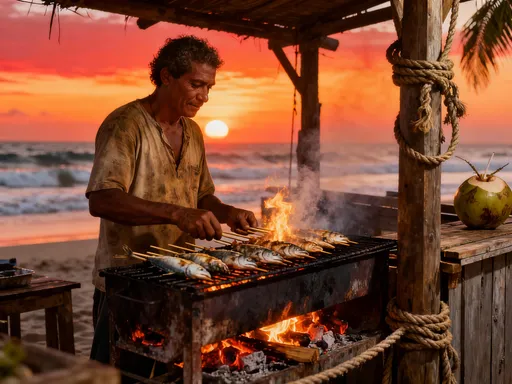
Another favorite is tambaqui frito, a whole river fish that is deep-fried until the skin is crispy and the flesh remains moist and flaky. Tambaqui is native to the Amazon but is now farmed along the northeastern coast, making it accessible to Recife’s markets. It’s often served with a simple salad and fried manioc, allowing the flavor of the fish to shine. Eating it at a barraca de praia, or beach shack, enhances the experience—the sound of waves, the smell of salt, and the warmth of the sun all become part of the meal.
Visiting a beach shack offers more than just food; it offers a lifestyle. These simple structures, made of wood and thatch, are run by families who have lived by the sea for generations. They cook what they catch, serve what they grow, and welcome guests like old friends. There’s no menu—just a daily offering based on the tide and the weather. To eat here is to participate in a tradition that values simplicity, seasonality, and connection.
Markets and Food Tours: Engaging with Recife’s Living Culinary Culture
One of the best ways to immerse yourself in Recife’s food culture is through its markets. The Mercado de São José, located in the heart of the city, is a sensory explosion. Open since the 19th century, it houses hundreds of stalls selling everything from fresh fish and meat to spices, herbs, and handmade crafts. The air is thick with the scent of garlic, chili, and roasted nuts. Vendors call out prices, customers haggle politely, and cooks prepare food on small stoves right at their stands.
Walking through the market with a local guide adds depth to the experience. A knowledgeable guide can explain the uses of lesser-known ingredients, such as jambu (a numbing herb used in regional dishes) or murici (a tart fruit used in juices and desserts). They can introduce you to spice sellers who blend custom mixes for home cooks, or to fishmongers who can tell you exactly where their catch came from that morning. These interactions turn a simple shopping trip into a cultural lesson.
Guided food walks have become increasingly popular in Recife, and for good reason. They offer structure and safety while opening doors that might otherwise remain closed. A well-run tour doesn’t just show you what to eat—it explains why it matters. You’ll learn about the history of a dish, the family behind a recipe, or the agricultural challenges facing local farmers. This context transforms food from mere consumption into understanding.
During a morning tour I joined, we visited a small bakery that has been operating since the 1940s. The owner, a woman in her 70s, showed us how she makes pão de queijo by hand, using a recipe passed down from her grandmother. The dough, made with cassava flour and cheese, puffs up in the oven into golden, chewy balls. She served them fresh, still warm, with a cup of strong coffee. There was no rush, no script—just the joy of sharing something she loves.
These moments of connection are what make food tourism meaningful. It’s not about checking off a list of must-eat dishes; it’s about building relationships, learning stories, and seeing the world through someone else’s kitchen. In Recife, where food is so deeply tied to identity, this kind of engagement feels especially powerful.
Bringing Recife Home: How to Recreate the Flavors and Mindset
One of the most lasting effects of a food-centered trip is the desire to bring those flavors home. While not every ingredient is available abroad, many dishes from Recife can be recreated with slight adaptations. The key is to focus on technique and spirit, not just exact replication.
Take carne de sol, for example. If you can’t find sun-cured beef, you can achieve a similar result by marinating thin cuts of flank steak in coarse salt for a few hours, then patting them dry and grilling or pan-searing. Serve it with sautéed cassava (or yuca, available in Latin markets) and a simple tomato-onion salad. The dish may not be identical, but it captures the essence of Recife’s coastal cooking.
For moqueca de peixe, look for coconut milk and palm oil (dendê), both of which are available in African or Brazilian grocery stores. Use firm white fish like cod or halibut, and cook it gently in a regular pot if you don’t have a clay one. The aroma alone will transport you back to the seaside shacks of Recife. Serve it with rice and a sprinkle of fresh cilantro for authenticity.
When ingredients are hard to find, creativity is your best tool. Frozen acai packets can replace fresh pulp, and plantains can stand in for certain tropical fruits. The goal isn’t perfection—it’s connection. Cooking these dishes at home becomes a way to honor the people and places that inspired them.
But beyond recipes, the real takeaway from Recife is a mindset. It’s the understanding that food is more than fuel—it’s memory, identity, and love. It’s the willingness to slow down, to share, to listen. When you cook a meal inspired by Recife, you’re not just feeding your family; you’re inviting them into a story, a culture, a way of being.
This shift in perspective is perhaps the greatest gift of culinary travel. It changes how you see your own kitchen, your own meals, your own relationships. You begin to appreciate the stories behind every ingredient, the hands that grew it, the traditions that shaped it. And in that appreciation, you find a deeper sense of gratitude and connection.
Recife’s food culture is more than flavor—it’s identity. By stepping off the tourist trail and into its markets, homes, and seaside stalls, travelers don’t just eat well; they connect. This journey reminds us that the most meaningful travels aren’t measured in miles, but in moments shared over a shared plate. The real recipe? Curiosity, respect, and an open heart.