Where Wildlife Meets Art: Kruger’s Hidden Cultural Rhythms
You know what I didn’t expect in Kruger National Park? A vibrant world of art and culture thriving alongside the lions and elephants. Beyond the safaris, local communities share breathtaking traditions—painting, storytelling, dance—that feel completely authentic. This is more than nature; it’s living heritage. I was blown away by how creativity pulses through the landscape. If you think Kruger is just about animals, trust me—you’re missing half the story. The true magic of this region lies not only in its roaring leopards or herds of buffalo but in the quiet hum of a drum at dusk, the swirl of ochre on handmade canvas, and the wisdom carried in stories passed from grandmother to granddaughter. Kruger is not just a sanctuary for wildlife—it is a canvas for culture.
Reimagining Kruger: Not Just a Wildlife Destination
Kruger National Park is globally renowned as one of Africa’s premier wildlife reserves. Spanning nearly 20,000 square kilometers across northeastern South Africa, it shelters over 500 bird species, 147 mammal species, and some of the continent’s most iconic animals, including elephants, rhinos, and cheetahs. For decades, travelers have flocked here for sunrise game drives, hoping to catch a glimpse of the Big Five. Brochures, documentaries, and travel blogs often portray Kruger as a pristine natural arena where humans are mere observers. While the biodiversity is indeed extraordinary, this narrative overlooks a vital dimension: the human heartbeat that has thrived in this region for centuries.
The misconception that Kruger is solely about wildlife stems from a long-standing separation between conservation and community in African tourism. Early national park models often displaced local populations to preserve ecosystems, creating a false impression that nature and culture exist in opposition. In reality, the land surrounding Kruger has been home to indigenous groups such as the Tsonga, Shangaan, and Venda peoples for generations. Their ancestral ties to the region run deep, shaped by sustainable land use, spiritual reverence for animals, and rich artistic expression. Today, a growing number of travelers are discovering that the park’s true depth lies in the fusion of natural and cultural heritage.
Integrating art and culture into the Kruger experience transforms tourism from passive observation to meaningful engagement. When visitors learn about traditional healing practices, listen to ancestral stories beneath starlit skies, or watch a dancer mimic the stride of a stalking leopard, they form deeper emotional and intellectual connections to the place. This holistic approach enriches the journey, fostering empathy and respect. It also challenges the outdated notion that conservation must exclude people. On the contrary, the survival of both wildlife and culture depends on mutual support. By recognizing Kruger as a living cultural landscape, not just a wildlife exhibit, travelers contribute to a more balanced and sustainable future.
The Art of Storytelling: Oral Traditions in the African Bush
In the quiet after sunset, when the air cools and the hyenas begin their distant calls, something magical happens around the campfire. Local guides, many of whom grew up in villages bordering the park, begin to speak—not just about animal tracks or bird calls, but about the stories that have shaped their people for generations. These oral traditions are not mere entertainment; they are vessels of wisdom, identity, and ecological insight. A guide might tell of how the clever hare outwits the lion, a tale that teaches humility and strategy, or recount the legend of the thunderbird, a mythical creature said to bring storms and renewal. Each story carries a lesson, often subtly reinforcing values like respect for nature, community cooperation, and the consequences of greed.
What makes these narratives especially powerful is their deep connection to the environment. Many animal myths mirror real ecological behaviors observed over centuries. For example, a story about the tortoise’s slow but steady journey reflects not only a moral about perseverance but also an understanding of survival strategies in arid landscapes. Similarly, tales of the elephant as a wise elder echo the matriarchal leadership seen in real elephant herds. These stories encode traditional ecological knowledge—information about animal behavior, plant uses, and seasonal changes—passed down through generations. When shared with visitors, they transform a simple safari into an immersive cultural lesson, revealing how indigenous communities have lived in harmony with the land long before modern conservation efforts began.
Storytelling also serves as a bridge between cultures. For many guests, especially those from urban Western backgrounds, these oral traditions offer a rare opportunity to experience a different way of knowing the world—one that values memory, metaphor, and community over written records and digital data. The rhythm of the voice, the pauses for effect, the animated gestures—these elements create a presence that no book or documentary can replicate. Travelers often leave these sessions not just informed, but moved. They remember the guide’s face, the crackle of the fire, the way the stars seemed to listen. This emotional resonance is what makes storytelling such a vital tool for cultural preservation and tourism alike.
Tour operators who incorporate storytelling into their itineraries do more than enhance guest experiences—they support the continuation of a fragile tradition. In an age of globalization and digital media, oral histories are at risk of fading. By giving guides the platform and respect to share their heritage, responsible tourism helps keep these stories alive. Some lodges now offer dedicated “story nights,” where elders from nearby villages are invited to speak. These events are carefully curated to ensure authenticity, avoiding theatrical performances in favor of genuine dialogue. For travelers, the takeaway is clear: listening to a story under the African sky is not just a moment of entertainment—it is an act of cultural solidarity.
Color in the Wild: Indigenous Painting and Craft Traditions
Just beyond Kruger’s official boundaries, in small villages and cooperative centers, a burst of color emerges from the dry savanna. Here, artisans create vibrant works using natural pigments, recycled materials, and age-old techniques. The Tsonga and Venda peoples, in particular, are known for their bold visual language—geometric patterns, symbolic motifs, and striking contrasts of black, white, red, and yellow. These designs are not merely decorative; they communicate identity, history, and spiritual beliefs. A zigzag pattern might represent a river’s flow, symbolizing life and continuity, while concentric circles could signify family unity or the cycles of nature. Every stroke carries meaning, transforming cloth, clay, and canvas into cultural documents.
Visitors have the opportunity to engage with this artistic legacy through visits to community craft centers. These spaces, often run by women’s cooperatives, serve as both workshops and marketplaces. Guests can watch artisans weave intricate baskets from ilala palm, shape clay into ceremonial pots, or string colorful glass beads into necklaces and bracelets. Beadwork, in particular, holds deep cultural significance. Among the Tsonga, specific colors convey messages—red for love or passion, white for purity, blue for faith. In the past, beadwork was used to signal social status, marital availability, or tribal affiliation. Today, it remains a powerful form of personal and collective expression.
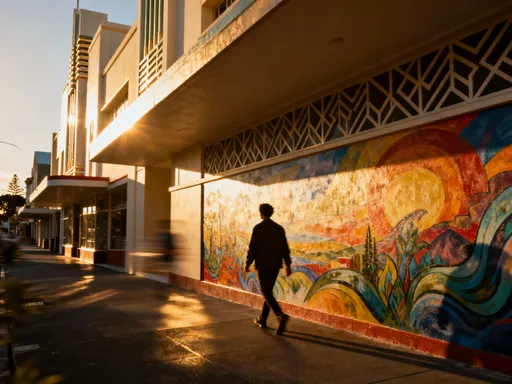
One of the most moving experiences for travelers is witnessing the creation of traditional wall paintings. In rural homesteads, women often paint the exterior walls of homes with symbolic designs using natural ochres and charcoal. These murals are not permanent; they are refreshed regularly, much like the renewal of cultural values. Some lodges near Kruger now offer bush painting sessions, where guests can try their hand at creating their own designs using natural pigments. Under the guidance of local artists, participants learn about the symbolism behind each shape and color, gaining a deeper appreciation for the art form. These hands-on activities do more than entertain—they foster connection and understanding.
Supporting these artisans through ethical tourism is one of the most direct ways to contribute to cultural sustainability. When travelers purchase handmade crafts directly from creators, they ensure that income stays within the community. This economic empowerment is especially important for women, who are often the primary custodians of these traditions. Responsible tour operators partner with certified cooperatives, ensuring fair wages and transparent practices. Visitors are encouraged to ask questions—about the materials used, the meaning of designs, and the artist’s background—to deepen their engagement. Buying a beaded bracelet or a painted textile is not just a souvenir; it is a gesture of respect and solidarity with a living culture.
Rhythm of the Land: Music and Dance as Cultural Expression
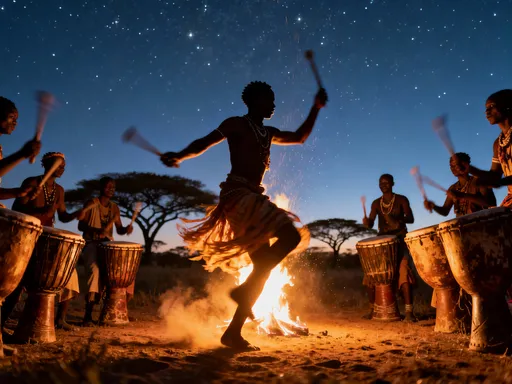
If storytelling is the voice of Kruger’s culture, then music and dance are its heartbeat. During cultural evenings at select lodges, the air fills with the deep, resonant thump of ngoma drums, the shimmer of rattles, and the powerful call-and-response vocals of performers. These are not staged spectacles for tourists; they are authentic expressions of a living tradition. Dancers move with precision and energy, their steps echoing the rhythms of the land—the gallop of a zebra, the sway of acacia trees in the wind, the stealthy prowl of a predator. The performances are communal, often inviting guests to stand, clap, and even join in simple dance steps, creating a shared moment of joy and connection.
Traditional music in the region is deeply intertwined with nature. Drum patterns mimic rainfall, animal calls, and the cadence of walking through the bush. Some songs are used to call animals during hunting rituals, while others celebrate the harvest or honor ancestors. The instruments themselves are crafted from natural materials—wood, animal hide, gourds—linking the music to the environment in both form and function. For many visitors, hearing a song that imitates the cry of a fish eagle or the growl of a leopard is a revelation. It underscores the intimate relationship between people and wildlife, a relationship built on observation, respect, and coexistence.
Dance, too, serves multiple purposes beyond performance. In Tsonga and Shangaan communities, dance is integral to rites of passage, weddings, and healing ceremonies. It is a way of transmitting values, celebrating resilience, and strengthening social bonds. When travelers witness a traditional dance, they are not just watching a show—they are being welcomed into a cultural practice that has shaped community life for generations. Some lodges offer cultural workshops where guests can learn basic drumming techniques or dance movements under the guidance of local performers. These sessions are designed to be inclusive and respectful, focusing on participation rather than performance.
The emotional impact of these musical experiences is profound. Many travelers describe feeling a sense of unity, a temporary dissolution of barriers between self and other. There is something universal in rhythm that transcends language. When a group of strangers from different countries begins to move together to the same beat, something shifts. Laughter rises, inhibitions fall, and a new kind of connection forms. For families traveling with children, these moments are especially memorable—simple, joyful, and deeply human. By incorporating music and dance into the safari experience, operators do more than entertain; they create spaces for cultural exchange and emotional resonance.
Cultural Villages and Living Museums Around Kruger
For those seeking a more immersive experience, several cultural villages near Kruger offer guided tours that provide a window into traditional rural life. These are not replicas or theme parks; they are real communities that have chosen to share aspects of their heritage with visitors in a respectful and sustainable way. A typical visit might include a walk through a homestead, where guests learn about traditional architecture—round huts with thatched roofs, enclosed courtyards, and outdoor cooking areas. Hosts explain the significance of household layouts, the use of medicinal plants in the garden, and the role of elders in daily life.
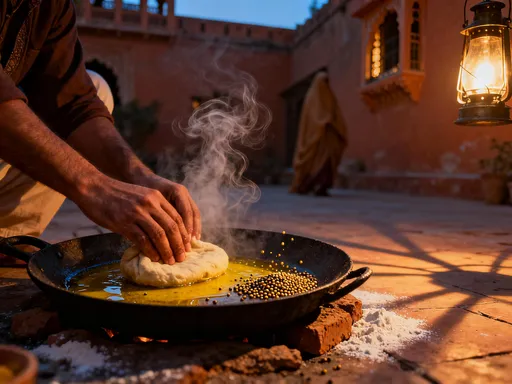
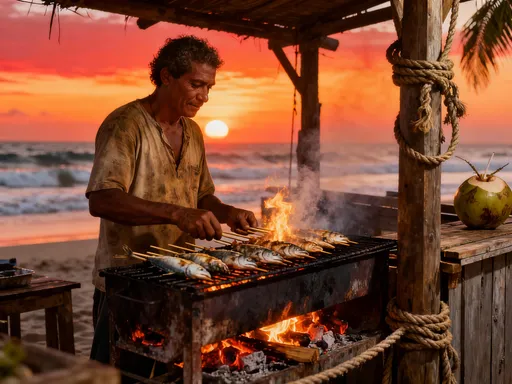
One of the most popular activities is traditional cooking demonstrations. Women prepare staple dishes like pap (a maize porridge) and vegetable stews using open fires and clay pots. Visitors are often invited to try their hand at stirring the pot or shaping dough, followed by a shared meal. These moments are rich with conversation and laughter, breaking down cultural barriers through the universal language of food. Children especially enjoy grinding maize with stone tools or helping to feed chickens and goats, gaining hands-on insight into a way of life that is both simple and deeply connected to the land.
The challenge for these villages is maintaining cultural integrity while accommodating tourism. Some early initiatives faced criticism for turning traditions into performances, stripping them of meaning for the sake of entertainment. Today, the most respected programs are community-led, with local councils deciding what to share and how. Visitors are briefed on appropriate behavior—removing shoes before entering homes, asking permission before taking photos, listening more than speaking. These guidelines ensure that tourism remains a respectful exchange rather than an intrusion. The goal is not to freeze culture in time but to celebrate its continuity and adaptability.
These villages also serve as educational platforms. School groups from nearby towns visit to reconnect with their heritage, and international travelers gain a more nuanced understanding of South Africa’s diversity. For many guests, the experience shifts their perception of Kruger from a remote wilderness to a lived-in landscape with deep human roots. It reminds them that conservation is not just about protecting animals but about supporting the people who have stewarded these lands for generations. By choosing to visit authentic cultural villages, travelers align their journeys with principles of ethical tourism and mutual respect.
Art-Inspired Safari Experiences
A new trend is emerging in Kruger: the creative safari. More lodges and tour operators are recognizing that travel is not just about seeing but about expressing. Artist-in-residence programs invite painters, writers, and musicians to spend weeks in the bush, drawing inspiration from the landscape. Some guests now arrive with sketchbooks instead of binoculars, eager to capture the curve of a giraffe’s neck or the texture of a baobab tree. At one private reserve near Kruger, I joined a sunrise sketching session led by a local artist. Sitting on a rocky outcrop, we watched the light rise over the savanna, turning the grass gold and silhouetting a herd of klipspringers. With gentle guidance, I tried my hand at landscape drawing, focusing not on perfection but on presence. The experience slowed me down, sharpened my observation, and deepened my appreciation for the details I might have otherwise missed.
These art-inspired activities are not about producing masterpieces; they are about deepening connection. When you attempt to draw an elephant, you notice the way its ears flap, the texture of its skin, the curve of its tusks. You become a more attentive observer, a more mindful traveler. Some lodges offer bush painting sessions using natural pigments, while others host poetry readings or photography walks. The emphasis is on creative engagement rather than technical skill, making these experiences accessible to all, regardless of artistic background. Families find them especially enriching—children love mixing paints from soil and leaves, while adults appreciate the chance to unplug and create.
The benefits of the creative safari extend beyond personal fulfillment. By framing nature through art, travelers develop a more intimate relationship with the environment. They begin to see the bush not as a backdrop but as a living, breathing entity full of stories and beauty. This shift in perspective fosters greater care and responsibility. Moreover, when guests create art inspired by Kruger, they carry a piece of the landscape home with them—not as a trophy, but as a memory, a message, a commitment. Some lodges even partner with local schools, donating art supplies or hosting joint workshops between guests and children from nearby villages. These initiatives build bridges and nurture shared creativity.
The growing popularity of creative safaris reflects a broader change in how people travel. More than ever, travelers seek meaning, authenticity, and transformation. They want to do more than check off a list of animals seen; they want to feel changed by their journey. Art provides that pathway. It invites introspection, wonder, and connection. In Kruger, where the wild and the creative converge, the safari becomes not just a trip, but a tapestry of experiences—visual, auditory, emotional, and spiritual.
Traveling with Purpose: Supporting Cultural Sustainability
As tourism continues to grow in the Kruger region, the choices travelers make have real consequences. Opting for lodges and tour operators that partner with local communities ensures that economic benefits reach those who need them most. Community-owned lodges, cultural cooperatives, and guide training programs provide sustainable livelihoods, reducing reliance on environmentally harmful practices like poaching or illegal logging. When visitors buy crafts directly from artisans, attend authentic cultural performances, or visit community-led villages, they contribute to a model of tourism that values people as much as wildlife.
Cultural tourism, when done responsibly, can be a powerful force for preservation. It gives younger generations a reason to value and continue their traditions, knowing that their heritage has worth in the modern world. It also fosters pride and ownership, encouraging communities to protect both their cultural and natural resources. Travelers play a crucial role in this ecosystem. Simple actions—listening with respect, asking thoughtful questions, avoiding exploitative souvenirs—can make a significant difference. The goal is not to observe culture as a museum exhibit but to engage with it as a living, evolving force.
Ultimately, Kruger National Park is more than a destination. It is a meeting point—a place where wildlife and art, nature and culture, observation and expression come together. To experience only one dimension is to miss the fullness of what this extraordinary landscape offers. The roar of a lion at dawn is unforgettable, but so is the rhythm of a drum at dusk, the stroke of a paintbrush on cloth, the warmth of a shared meal in a village home. These moments stay with you, not as fleeting memories, but as lasting impressions of connection, beauty, and humanity. When you travel to Kruger, go not just to see, but to feel. Let the land speak to you through its animals, its artists, its storytellers. Let it remind you that the world is not just something to be preserved—but something to be celebrated, in all its wild, creative, and enduring rhythms.