You Won’t Believe These Hidden Natural Wonders Near Gdańsk
When I first thought of Gdańsk, I pictured colorful buildings and busy marinas—not wild forests, silent dunes, or crystal-clear lakes. But just beyond the city’s historic charm lies a world of untouched nature that left me breathless. I’m talking about quiet trails where you’ll see no one, coastal forests humming with life, and secret shores where the Baltic whispers secrets. This isn’t your typical city break—it’s a private escape into raw, natural beauty most tourists never discover. The contrast is striking: one moment you’re sipping coffee in a cobbled square, the next you’re walking beneath ancient pines with only the wind and birdsong for company. For travelers seeking both culture and calm, Gdańsk offers a rare gift—easy access to wilderness without sacrificing comfort or convenience.
Beyond the Old Town: A Different Side of Gdańsk
Gdańsk is often celebrated for its reconstructed medieval architecture, maritime heritage, and vibrant waterfront. Yet, beyond the postcard-perfect facades of Długa Street and the bustling Long Market, a quieter, wilder side of the region waits to be explored. The city sits at a unique crossroads—where urban life meets vast natural landscapes. To the east and west stretch protected wetlands, coastal forests, and shifting dunes, all within easy reach of the city center. While most tourists spend their days touring shipyards or sampling amber jewelry, those who venture just a little further are rewarded with solitude, stillness, and a deeper sense of place.
What makes this duality so powerful is the balance it offers. A morning in the city can be followed by an afternoon of complete immersion in nature, allowing travelers to experience both human history and ecological wonder in a single trip. This combination enriches the journey, offering not just sights but sensations—the crisp air of a pine forest, the soft crunch of sand underfoot, the distant cry of a curlew over marshland. It’s this sensory depth that turns a simple visit into a meaningful experience. Travelers who embrace both aspects often find their connection to the region deepens, not just through museums and monuments, but through quiet moments in the wild.
The accessibility of these natural areas adds to their appeal. Many can be reached by public transportation, bike, or even on foot from certain city districts. There’s no need for a car or complicated planning—just a willingness to step off the main tourist path. Whether it’s a short ferry ride to Sobieszewo Island or a train journey to the edge of Słowiński National Park, the transition from city to wilderness feels almost effortless. This ease of access makes Gdańsk an ideal destination for families, solo travelers, and nature lovers of all ages who want authenticity without sacrificing practicality.
Sobieszewo Island: Wilderness in the City’s Backyard
Just a short ferry ride across the Vistula River from Gdańsk lies Sobieszewo Island, a quiet sanctuary where nature thrives in plain sight. Often overlooked by international visitors, this flat, sandy island is part of the Vistula Marshes Landscape Park, a protected area that supports a rich diversity of plant and animal life. The island’s landscape is shaped by seasonal flooding, which creates a mosaic of wet meadows, alder forests, and open dunes. In spring, the marshes come alive with blooming sedges and nesting birds; in autumn, flocks of migratory geese and swans darken the skies. It’s a place where time seems to slow, and the rhythm of nature takes precedence over schedules and screens.
One of the island’s most striking features is its population of wild Konik horses—descendants of ancient European forest horses that roam freely across the grasslands. These hardy animals play a crucial role in maintaining the open landscape by grazing on invasive shrubs, helping preserve the delicate balance of the ecosystem. Seeing them stand silhouetted against a sunset or wade through shallow marsh waters is a moment many visitors remember long after they leave. The horses are accustomed to people but remain wild, offering a rare opportunity to observe untamed animals in their natural habitat without the artificiality of a zoo or enclosure.
For those who enjoy walking or cycling, Sobieszewo offers an extensive network of well-marked trails that wind through forests, along dikes, and across open fields. The paths are mostly flat and well-maintained, making them suitable for all fitness levels. Biking is especially popular, with rental stations available near the ferry landing. Cyclists can cover large stretches of the island in a single day, stopping at observation towers to scan the marshes for herons, kingfishers, or even white-tailed eagles. The lack of heavy tourism means you’re likely to have entire stretches of trail to yourself, a rarity in much of Europe.
Visitors should come prepared with sturdy footwear, insect repellent in warmer months, and a sense of patience. There are few restaurants or shops on the island, so bringing water and snacks is advisable. But this simplicity is part of its charm. The absence of commercial distractions allows for a deeper connection with the surroundings. Whether you’re watching dragonflies hover over a pond or listening to the rustle of reeds in the wind, Sobieszewo invites mindfulness. It’s not a place for rushing—it’s a place for noticing.
The Slowinski Sands: Shifting Dunes and Coastal Magic
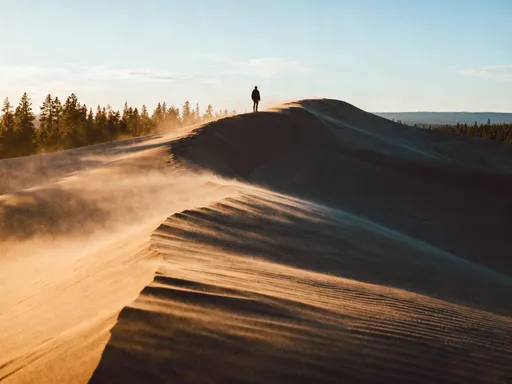
A little over an hour west of Gdańsk by train lies one of Poland’s most extraordinary natural phenomena—Słowiński National Park, home to the famous moving sand dunes. These towering hills of sand, some reaching over 30 meters in height, are not static. Driven by strong westerly winds, they slowly migrate inland at a rate of several meters per year, swallowing pine trees and reshaping the coastline in a process that feels almost alive. This dynamic landscape is one of the last of its kind in Europe, a remnant of ancient glacial formations and coastal evolution that continues to unfold in real time.
The park’s most iconic trail leads to Łącka Dune, the highest and most active of the shifting dunes. The climb is steep and the sand shifts underfoot, but the reward is a panoramic view of the Baltic Sea on one side and a sea of green forest on the other. On calm days, the silence is profound. On windy days, the dunes produce a rare and haunting phenomenon known as “singing sands”—a low, humming sound created by the friction of dry, wind-polished grains moving together. This natural symphony, heard in only a few places on Earth, adds a mystical quality to the experience.
What makes Słowiński so special is not just its geological uniqueness but its biodiversity. Behind the dunes lie freshwater lakes, including Lake Łebsko and Lake Gardno, which serve as critical habitats for fish, waterfowl, and amphibians. The transition from sandy desert to lush wetland happens within just a few hundred meters, creating a dramatic contrast that supports a wide range of species. Birdwatchers flock here to spot rare species like the aquatic warbler and the European ground squirrel, both of which are protected within the park.
For visitors, the best way to experience the park is on foot or by bicycle. The main entrance at Smołdzino offers clear signage, visitor information, and well-maintained trails. While the park does attract more tourists than Sobieszewo, especially in summer, early mornings and late afternoons offer moments of solitude. Staying overnight in nearby villages like Łąck or Smołdzino allows for multiple visits and the chance to see the dunes at sunrise, when the light casts long shadows and the sand glows golden. Accommodations range from family-run guesthouses to eco-friendly cottages, many of which serve traditional Pomeranian dishes made with local ingredients.
Rural Escapes: Forests and Lakes Beyond the Coast
While the coast draws much of the attention, the inland regions of Pomerania offer equally captivating natural experiences. Just a short drive or train ride from Gdańsk, the landscape opens into rolling hills, glacial lakes, and dense pine forests that stretch for miles. These areas, shaped by the last Ice Age, are dotted with clear lakes perfect for swimming, kayaking, and fishing. Towns like Karwia, Kępka, and Smołdzino serve as gateways to quieter trails and hidden coves, but it’s the lesser-known spots—like the forests around Żarnowieckie or the shores of Lake Drawsko—that offer the deepest sense of escape.
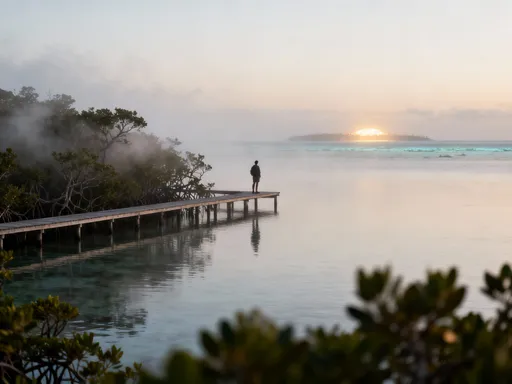
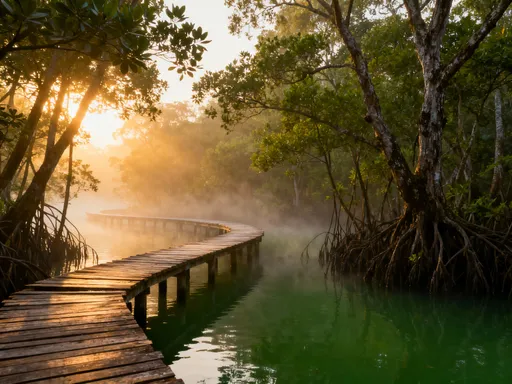
Lake Łebsko, one of the largest coastal lakes in Poland, is surrounded by protected woodlands and peat bogs. A network of wooden boardwalks allows visitors to explore the wetlands without disturbing the fragile ecosystem. In spring and early summer, the area is carpeted with wildflowers, and the air hums with the sound of bees and frogs. Kayaking on the lake provides a peaceful way to observe wildlife—herons stalking fish, kingfishers darting between branches, and sometimes even a deer coming down to drink at dusk. The water is calm and reflective, making it ideal for beginners and families.
The forests of this region are equally inviting. Pine and birch trees dominate, their trunks rising like pillars in a cathedral of green light. These woods are perfect for forest bathing—a practice rooted in mindfulness and sensory awareness that has gained popularity for its mental health benefits. Simply walking slowly, breathing deeply, and paying attention to the details—moss on bark, the scent of resin, the texture of leaves—can be profoundly calming. There are no crowds, no noise, just the steady rhythm of nature. For those seeking more activity, mountain biking and orienteering are popular, with trails marked for different skill levels.
What makes these inland areas so valuable is their accessibility and tranquility. Unlike more famous national parks, they are not overrun with tour groups or commercial developments. Local communities maintain a quiet pride in their surroundings, often organizing clean-up days or guided nature walks. Visitors who take the time to engage respectfully—by staying on trails, packing out trash, and supporting local businesses—become part of a larger effort to preserve these spaces. The reward is not just beauty, but a sense of belonging to something greater.
How to Travel Privately and Responsibly
One of the greatest joys of visiting these natural areas is the sense of privacy they offer. But with that privilege comes responsibility. These landscapes are fragile, shaped by centuries of natural processes that can be disrupted by careless behavior. Traveling mindfully means making choices that minimize impact while maximizing connection. It starts with transportation—opting for trains, buses, or bicycles instead of rental cars reduces carbon emissions and congestion. Gdańsk’s regional rail system is reliable and scenic, offering a relaxed way to travel while enjoying the passing countryside.
Once on the ground, sticking to marked trails is essential. These paths are designed to protect sensitive habitats and prevent soil erosion. Venturing off-trail, especially in dune or wetland areas, can damage plant life and disturb nesting animals. Carrying out all trash—and ideally, picking up any litter found along the way—helps keep these places pristine. Even small actions, like avoiding loud noises or feeding wildlife, contribute to a more respectful experience.
Supporting local eco-initiatives is another way to travel responsibly. Many small businesses in the region are committed to sustainability, from guesthouses that use solar power to restaurants that source ingredients from nearby farms. Choosing to stay in family-run accommodations or eat at local cafes not only enhances the authenticity of the trip but also ensures that tourism benefits the community directly. Some organizations offer guided eco-tours that educate visitors about conservation efforts, making the experience both enriching and ethical.
Responsible travel also means respecting the needs of local residents. These areas are not just tourist destinations—they are homes. Keeping noise levels down, parking in designated areas, and following local guidelines shows consideration for those who live there year-round. When travelers act with care and awareness, they help ensure that these natural wonders remain protected for future generations. The goal is not just to visit, but to leave things better than we found them.
Seasonal Secrets: When to Go for the Best Experience
The natural landscapes around Gdańsk transform dramatically with the seasons, each offering a unique version of beauty. Spring, from April to early June, is a time of renewal. Wetlands flood, wildflowers bloom, and birds return to nest. The air is fresh, the crowds are small, and the light has a soft, golden quality. This is an ideal time for birdwatching and photography, especially in the marshes of Sobieszewo and the wetlands near Słowiński.
Summer brings longer days and warmer temperatures, perfect for swimming, kayaking, and beach walks. While July and August see more visitors, arriving early in the day or choosing less-known access points can still provide moments of solitude. The dunes are warm underfoot, the lakes inviting, and the forests lush and green. It’s a great time for families, with many outdoor activities suitable for children.
Autumn, from September to November, is often considered the most magical season. The trees turn brilliant shades of red, orange, and gold, reflecting in the still waters of the lakes. The air is crisp, the light slants low, and the migrating birds pass through in impressive numbers. It’s a favorite time for photographers and nature lovers who appreciate the quiet drama of the season. The cooler weather also makes hiking and cycling more comfortable.
Winter, though quieter, offers its own rewards. Snow covers the dunes and forests, creating a serene, almost otherworldly landscape. The crowds vanish, and the silence is profound. While some services may be limited, those who come prepared with warm clothing and a sense of adventure are treated to a rare kind of peace. Cross-country skiing and winter hiking are possible in certain areas, and the sight of frost-covered trees or frozen lakes adds a touch of wonder to any journey. No matter the season, each visit reveals a different facet of this remarkable region.
Why These Natural Wonders Matter
These natural spaces near Gdańsk are more than just scenic backdrops for photos—they are living ecosystems that support a wide range of species and ecological processes. The wetlands filter water, the dunes protect the coast from erosion, and the forests sequester carbon and provide habitat for countless organisms. They are part of a larger web of life that sustains not only wildlife but also human well-being. When we walk through these places, we’re not just observers—we’re participants in a system much older and wiser than ourselves.
They also offer something intangible: a sense of perspective. In a world that often feels fast and fragmented, these quiet corners of nature remind us of balance, resilience, and continuity. They invite us to slow down, breathe deeply, and reconnect with the rhythms of the earth. For many visitors, especially women in the 30–55 age group who often carry the weight of family, work, and daily responsibilities, this reconnection can be deeply restorative. It’s not just a vacation—it’s a reset.
Preserving these places requires awareness and action. As tourism grows, so does the need for sustainable practices. By choosing to travel mindfully—by staying on trails, supporting local communities, and respecting the land—we help ensure that these wonders remain intact. They are not infinite, but with care, they can endure.
So the next time you plan a trip to Gdańsk, look beyond the city walls. Step onto the dunes, walk through the pines, listen to the whisper of the Baltic. Let yourself be surprised by the wild beauty just beyond the pavement. Because true discovery isn’t about ticking off landmarks—it’s about feeling the earth beneath your feet and knowing, even for a moment, that you belong to something vast and beautiful.