You Gotta See What Napier’s Cultural Scene Is Hiding
Napier, New Zealand, isn’t just a pretty Art Deco postcard—it’s a living museum. After the 1931 earthquake, the city rose again in bold geometry and sunburst motifs, and today, its cultural venues pulse with history, art, and Māori heritage. I checked in not just to stay, but to dive deep—into galleries, theaters, and intimate spaces where stories come alive. This is more than sightseeing; it’s a real connection. Let me take you through the spots that made my stay unforgettable.
The Art Deco Heartbeat – Napier’s Architectural Rebirth
Napier’s transformation after the 1931 earthquake is one of the most remarkable urban renewal stories in modern history. When the devastating quake struck, leveling much of the city, Napier faced not just destruction but a defining moment. Rather than rebuild in the old style, civic leaders and architects embraced the bold, forward-looking aesthetic of the era: Art Deco. With reinforced concrete now available, the city was reconstructed with fire-resistant materials and a unified architectural vision. Today, Napier boasts one of the most concentrated collections of Art Deco buildings in the world, a legacy that draws architecture lovers and history enthusiasts from across the globe.
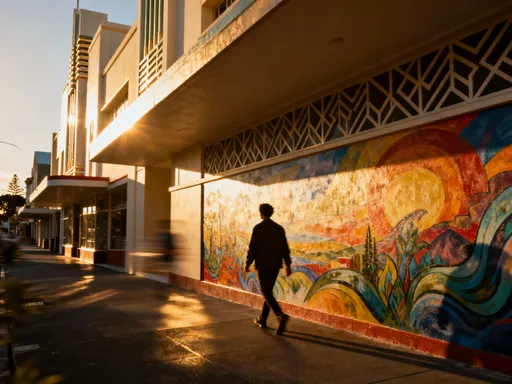
Walking through Napier’s central district feels like stepping into a carefully preserved moment in time. The streets are lined with buildings adorned with geometric patterns, zigzag motifs, and sunbursts that reflect the optimism of the 1930s. Facades are painted in soft pastels—creams, peaches, and sea greens—that glow in the morning light. Every lamppost, cornice, and doorway has been thoughtfully restored. The city functions as an open-air architectural gallery, where even routine errands become cultural experiences. Whether you're sipping coffee in a café beneath a stepped skyscraper design or browsing a boutique housed in a former bank, the surroundings tell a story of resilience and reinvention.
One of the best ways to appreciate this heritage is through a guided walking tour. Local experts lead visitors through the city’s grid, sharing stories behind specific buildings and the people who shaped them. You’ll learn about the architects who brought European influences to the South Pacific, the builders who worked tirelessly to raise the city from rubble, and the families who kept hope alive. These tours aren’t dry history lessons—they’re lively, personal, and often infused with humor and local pride. Guides point out hidden details: a carved pelican on a balcony, a clock face frozen at 10:47 a.m.—the exact time the earthquake hit.
Each February, Napier fully embraces its identity during the Art Deco Festival, a five-day celebration that transforms the city into a 1930s time capsule. Thousands arrive dressed in period attire—flapper dresses, tailored suits, and cloche hats—while vintage cars cruise the waterfront. Live jazz bands play in the squares, street performers reenact historical scenes, and special events are held in restored buildings. The festival isn’t just a nostalgic show; it’s a living tribute to the city’s spirit. It draws intergenerational crowds, with grandparents sharing memories of rebuilding with grandchildren who now see the city through fresh eyes. This annual event reinforces how architecture is more than brick and mortar—it’s a symbol of identity, continuity, and community strength.
MTG Hawke’s Bay – Where Culture, Art, and History Collide
At the heart of Napier’s cultural revival stands MTG Hawke’s Bay, a modern museum and gallery complex that seamlessly blends contemporary design with deep regional storytelling. The building itself is a statement—a striking fusion of glass, steel, and local stone that contrasts with the Art Deco skyline yet complements it. Inside, the space unfolds as a journey through time, nature, and human expression. MTG (short for Museum Theatre Gallery) is not just a repository of artifacts; it’s a dynamic hub where culture is alive, evolving, and accessible to all.
One of the most powerful experiences at MTG is the interactive pōwhiri—a traditional Māori welcome ceremony that has been thoughtfully adapted for visitors. Through projection, sound, and guided narration, guests are led through the steps of a pōwhiri, learning about its significance in Māori protocol and the values of respect, connection, and reciprocity. This isn’t a performance for passive viewing; it invites participation and reflection. For many visitors, especially those new to Māori culture, this experience is a meaningful first step toward understanding the indigenous heritage that shapes Hawke’s Bay.
The museum’s taonga (treasures) collection is another highlight. These are not merely displayed behind glass; they are presented with context, whakapapa (genealogy), and cultural narratives. From intricately carved pounamu (greenstone) pendants to woven cloaks made with feathers and flax, each item tells a story of craftsmanship, identity, and ancestral connection. The exhibition also includes archaeological finds from the region, such as ancient fishing tools and remnants of early Māori settlements, grounding visitors in the long history of human life in this coastal area.
Equally compelling are the rotating contemporary art exhibitions. MTG supports both established and emerging artists from across New Zealand, with a strong focus on local voices. Recent shows have explored themes like environmental change, rural life, and cultural identity through painting, sculpture, and multimedia installations. What sets these exhibitions apart is their accessibility—wall texts are clear and informative, audio guides are available, and staff are trained to engage visitors in conversation. Families, solo travelers, and seniors alike find something that speaks to them. The gallery also hosts artist talks, workshops, and school programs, ensuring that art remains a living, shared experience rather than a distant elite pursuit.
Street Art & Hidden Galleries – The Underground Pulse
Beyond the polished façades of the Art Deco district lies another layer of Napier’s cultural soul: its grassroots art scene. Tucked into laneways, converted warehouses, and quiet corners of the city, a network of small studios and pop-up galleries thrives. These spaces are where creativity pulses without pretense—where local artists experiment, collaborate, and share their work directly with the public. Unlike the curated exhibitions of MTG, these venues offer raw, unfiltered expressions of identity, place, and imagination.
One of the best ways to discover this scene is by joining a self-guided street art trail. Murals cover the sides of buildings throughout Napier, many painted during community art festivals or as part of youth outreach programs. The themes are diverse: some celebrate local flora and fauna, others honor Māori legends, and a few offer playful commentary on daily life. A large mural near the corner of Tennyson Street depicts a tūī bird mid-flight, its feathers blending into swirling Art Deco patterns—a perfect metaphor for the fusion of old and new that defines Napier. These works are not just decorative; they invite pause, reflection, and conversation.
Artist collectives like the Napier Arts Trail and Creative Hub provide studio space and exhibition opportunities for painters, potters, textile artists, and sculptors. Many open their doors during special events, such as the monthly “Art Deco After Dark,” when galleries stay open late, live music fills the streets, and visitors wander with glasses of local wine in hand. These evenings create a festive yet intimate atmosphere, where art lovers can meet the creators, hear about their inspirations, and even purchase pieces directly. It’s a refreshing alternative to commercial galleries, emphasizing connection over transaction.
For those interested in hands-on experiences, several studios offer short workshops—from printmaking to raku pottery. These sessions are designed for all skill levels and often take place in sunlit courtyards or beside quiet courtyards. Participants leave not just with a finished piece, but with a deeper appreciation for the creative process. The grassroots art scene in Napier may not make international headlines, but it is essential to the city’s cultural fabric. It reminds us that art isn’t only found in museums—it lives in alleys, studios, and the hearts of those who make it.
Live Performance & The Sound of Napier
Napier’s cultural rhythm extends beyond the visual arts into the realm of sound and movement. The city has a surprisingly vibrant performing arts scene, anchored by the historic Napier Municipal Theatre. Opened in 1912 and meticulously restored after the earthquake, this grand venue features ornate plasterwork, a sweeping staircase, and a stage that has hosted everything from opera to comedy. Today, it serves as a centerpiece for the region’s performing arts calendar, offering a mix of touring productions, local theater groups, and community events.
One of the most moving experiences in Napier is attending a live Māori performance. Groups from local iwi (tribes) present kapa haka—traditional song and dance that combines powerful vocals, rhythmic movement, and facial expressions. These performances are not staged for tourists alone; they are acts of cultural preservation and pride. When a haka is performed, the energy in the room shifts. The deep chants, synchronized foot-stamping, and intense eye contact create a sense of awe and respect. For many visitors, it’s a profound moment of connection—one that transcends language.
But Napier’s performance culture is not limited to tradition. The city embraces contemporary expressions as well. Jazz nights at the Soundshell Theatre by the harbor draw crowds on summer evenings. Musicians from across New Zealand perform under the stars, their melodies blending with the lapping of waves. The atmosphere is relaxed and inclusive, with families spreading picnic blankets and couples dancing barefoot on the grass. Smaller venues, like the cafe-bar at the National Aquarium, host acoustic sets and open mic nights, giving emerging artists a platform to share their music.
Theater also thrives in Napier, with local companies producing everything from Shakespeare to modern dramas. Productions often incorporate regional themes, such as the impact of the 1931 earthquake or life in a coastal community. These stories resonate deeply with audiences, many of whom have personal or familial ties to the events being portrayed. The intimacy of the theaters—most seat fewer than 300 people—creates a sense of closeness between performers and viewers. You’re not just watching a show; you’re part of a shared experience. In a world of digital distractions, Napier’s live performance scene offers something rare: presence, authenticity, and human connection.
Māori Cultural Experiences – Connection to Whenua (Land)
To truly understand Napier, one must engage with the Māori heritage that has shaped this land for centuries. The region is the traditional home of several iwi, including Ngāti Kahungunu, whose ancestors lived along the coast, fished the rivers, and cultivated the fertile plains. Their connection to the whenua (land) is not historical—it is ongoing, vibrant, and deeply spiritual. Visitors have the opportunity to learn from Māori voices through guided cultural experiences that are respectful, educational, and heartfelt.
One of the most meaningful ways to engage is through a guided marae visit. A marae is a sacred communal space that includes a meeting house (wharenui) and dining hall (wharekai). These visits are not tourist attractions; they are invitations to learn. Guests are welcomed with a pōwhiri, participate in a shared meal (hākari), and may have the chance to see traditional carving or weaving demonstrations. The meeting houses themselves are works of art—painted rafters, carved ancestors along the walls, and woven panels that tell tribal histories. Every element has meaning, and elders are generous in sharing their knowledge.
Storytelling is central to these experiences. Elders recount pūrākau (legends) that explain natural features—how a mountain was formed, why a river flows a certain way, or the origins of local birds. These stories are not myths; they are part of a living oral tradition that conveys values, history, and environmental stewardship. Children listen wide-eyed, and adults often find themselves moved by the depth of connection these narratives reveal. The message is clear: this land is not just a place to live—it is a relative, a guardian, a source of identity.
For those interested in deeper engagement, some iwi offer cultural immersion days that include waiata (song), basic te reo Māori (language) lessons, and guided walks through significant sites. These programs are designed to foster mutual respect and understanding. Visitors are encouraged to ask questions, but also to listen—truly listen. The goal is not entertainment, but education and relationship-building. By participating in these experiences with humility and openness, travelers contribute to the preservation of Māori culture and leave with a transformed perspective on what it means to belong to a place.
Beyond the Center – Cultural Gems in Nearby Villages
While Napier’s city center is rich with cultural offerings, the surrounding Hawke’s Bay region holds its own treasures. Just a short drive away, towns like Hastings and Havelock North offer complementary experiences that deepen one’s understanding of the area. These communities may be smaller, but they pulse with local life, creativity, and tradition.
Hastings, for example, hosts a lively Saturday farmers’ market that draws producers from across the region. Here, you’ll find fresh produce, artisan bread, handmade cheeses, and locally roasted coffee. But it’s more than a shopping destination—it’s a social hub. Musicians play in the corner, children dance to the beat, and neighbors catch up over steaming mugs. The market also features craft stalls, where potters, jewelers, and woodworkers sell their wares. It’s a celebration of local skill and sustainability, rooted in the region’s agricultural abundance.
Havelock North, nestled against the Te Mata Peak, is known for its boutique wineries and art trails. Several vineyards double as sculpture parks, where contemporary works are displayed among the vines. Walking through these landscapes, you’ll encounter steel figures reaching toward the sky, stone carvings hidden in groves, and installations that play with light and shadow. These spaces invite slow exploration, contemplation, and appreciation for the dialogue between nature and art. Some wineries offer guided tours that include both wine tasting and art commentary, creating a multi-sensory experience.
Further afield, community-run marae in rural villages host cultural programs open to visitors. These are often low-key, word-of-mouth events—perfect for travelers seeking authenticity over spectacle. Whether it’s a dawn karakia (prayer), a weaving workshop, or a traditional hangi feast cooked in an earth oven, these gatherings offer a rare glimpse into everyday Māori life. They remind us that culture is not confined to museums or festivals; it lives in homes, fields, and communal spaces. By venturing beyond Napier’s center, travelers gain a fuller, more nuanced picture of the region—one that honors both its urban energy and rural roots.
How to Immerse Yourself – A Traveler’s Practical Guide
Experiencing Napier’s culture fully doesn’t require a grand plan—just curiosity, respect, and a willingness to engage. The best time to visit is during the Art Deco Festival in February, when the city comes alive with events, but every season offers something unique. Spring brings blooming gardens and outdoor markets, summer offers harbor concerts and vineyard tours, autumn showcases golden light on Art Deco façades, and winter hosts intimate gallery openings and storytelling nights.
To make the most of your visit, start with MTG Hawke’s Bay. Allocate at least two hours to explore the exhibitions, and don’t rush the pōwhiri experience. From there, join a guided Art Deco walking tour—morning or late afternoon light is ideal for photography. Pick up a street art map from the visitor center and spend an hour wandering off the main streets. In the evenings, check the local event calendar; you might catch a jazz night, a theater performance, or a community art opening.
For Māori cultural experiences, book in advance through reputable providers who partner with local iwi. Look for programs that emphasize education and reciprocity, not performance. When visiting a marae, dress modestly, remove your shoes before entering the wharenui, and follow the lead of your hosts. Learn a few basic te reo Māori phrases—kia ora (hello), tēnā koe (greetings to one person), and mā te wā (until next time)—as a sign of respect.
Transportation in Napier is straightforward. The city center is walkable, and bike rentals are available for exploring the waterfront and nearby vineyards. Regional destinations like Hastings and Havelock North are easily reached by car or local shuttle services. Most cultural venues are accessible, with ramps, elevators, and staff trained to assist visitors with mobility needs. Always check ahead for event accessibility, especially in historic buildings.
Finally, remember that cultural travel is not about ticking boxes. It’s about slowing down, listening deeply, and allowing a place to change you. In Napier, every building, mural, performance, and conversation carries a story. When you engage with them not as a spectator but as a participant, you become part of the city’s ongoing revival. You’re not just visiting—you’re connecting.
Conclusion
Napier is more than a destination; it is a story told through architecture, art, and living traditions. From the bold lines of its Art Deco streets to the quiet wisdom of its marae, the city offers a cultural journey that is both uplifting and grounding. It reminds us that beauty can rise from tragedy, that tradition can coexist with innovation, and that community is the heart of resilience. To check in here is not just to see a place—but to feel it, learn from it, and carry a piece of it with you. Let Napier’s soul leave its mark, and you’ll find yourself returning, in spirit, again and again.